Have you ever wondered where you’re most likely to see monkeys in Costa Rica? The good news is that you don’t have to search very far. If you’re staying near Jaco, two of the best places to see monkeys in their natural habitat are Manuel Antonio National Park and the mangrove ecosystems along the Central Pacific Coast.
Both destinations offer excellent wildlife viewing, but each provides a different experience. Whether you prefer walking through lush rainforest trails or quietly exploring mangroves by boat, seeing monkeys in the wild is often one of the most memorable moments of any trip to Costa Rica.
What Types of Monkeys Live in Costa Rica?
Costa Rica is home to four monkey species, each with its own unique characteristics.
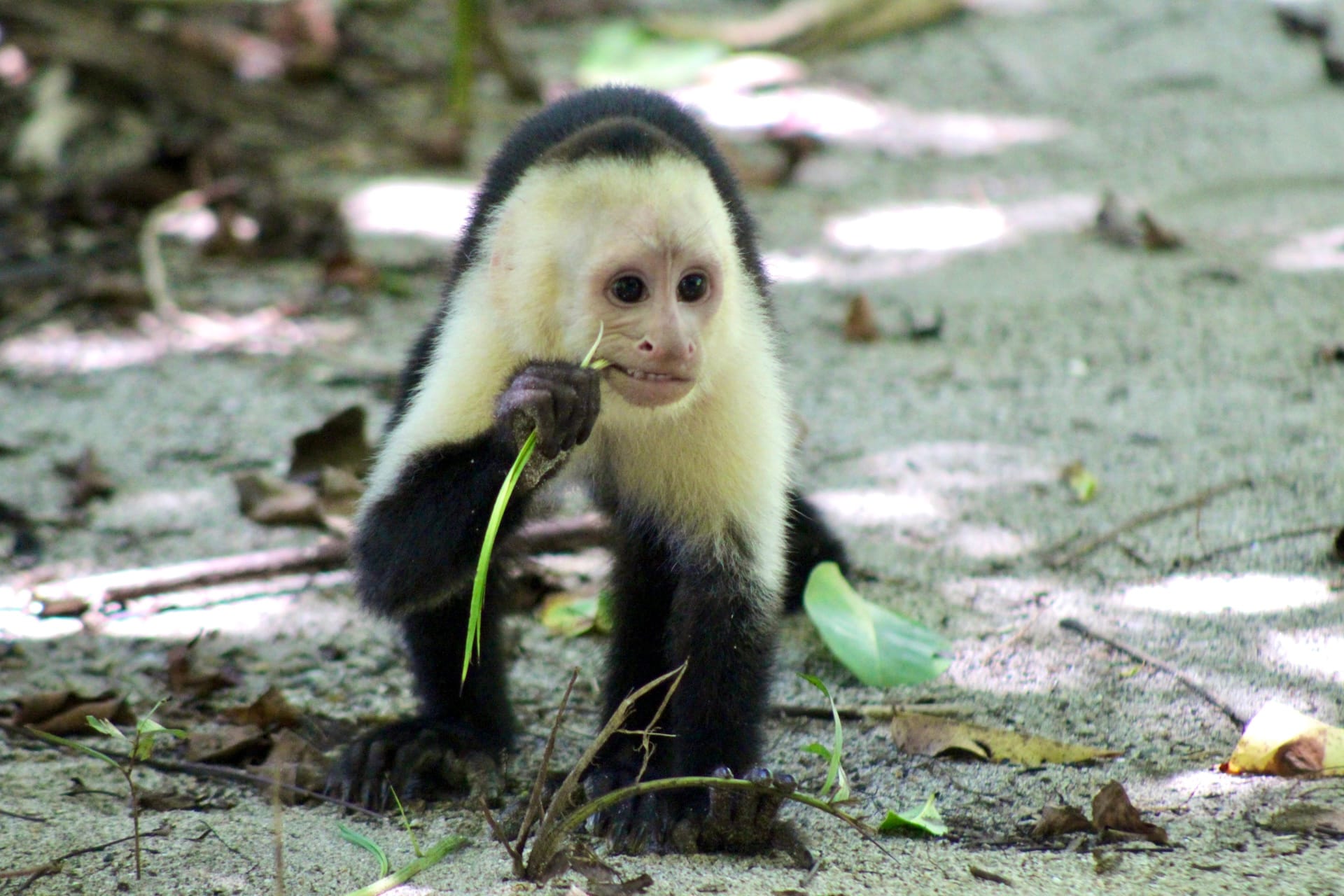
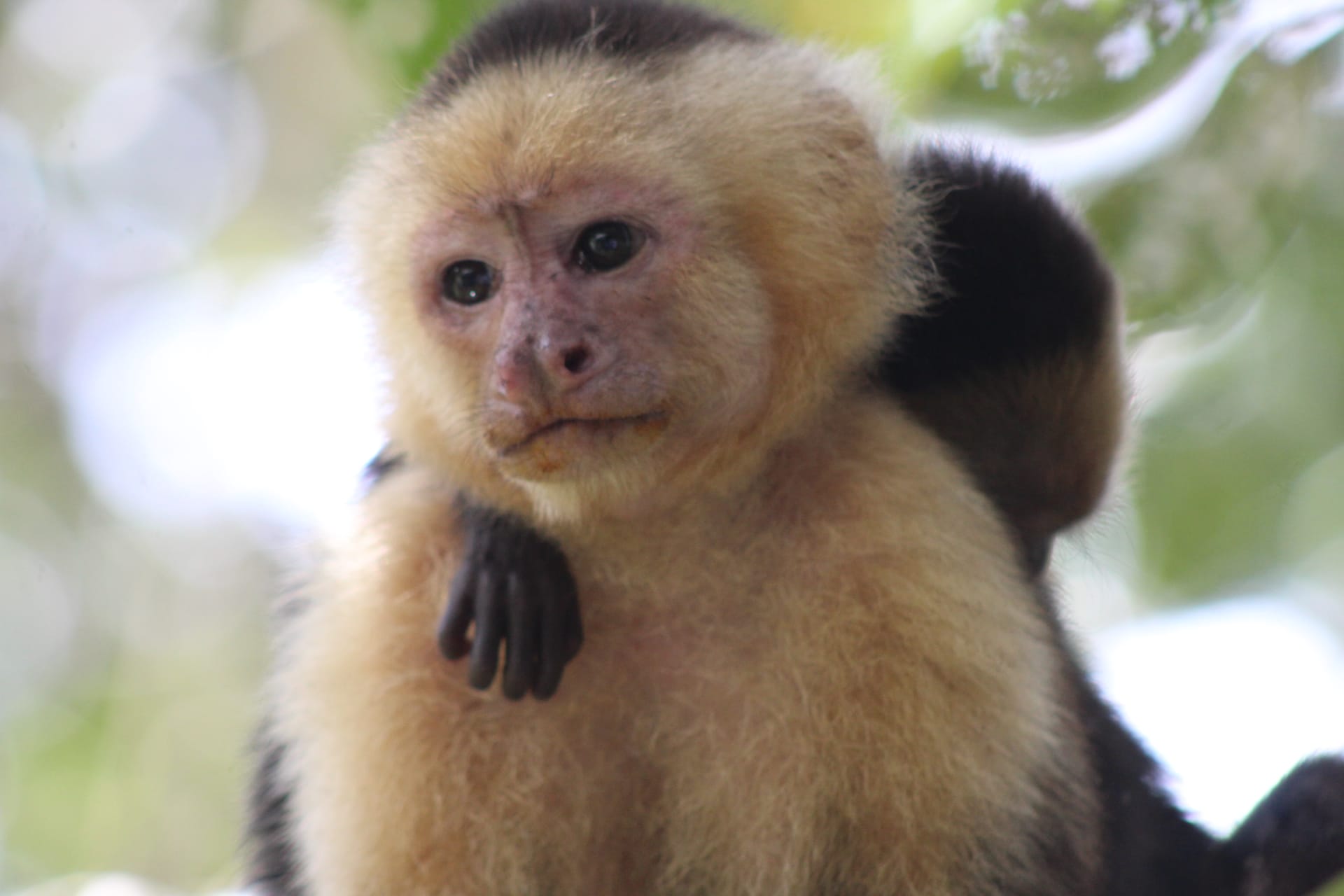
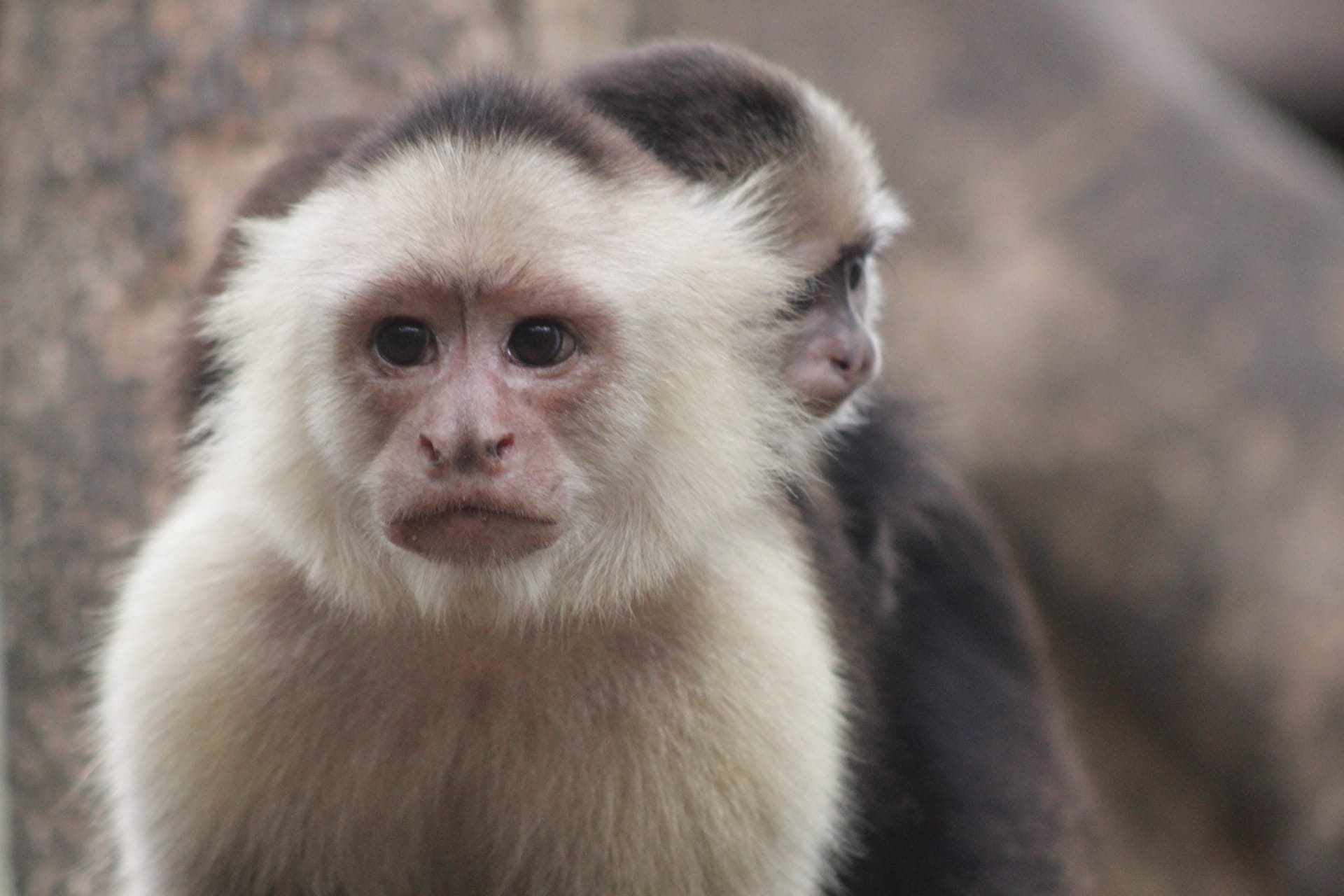
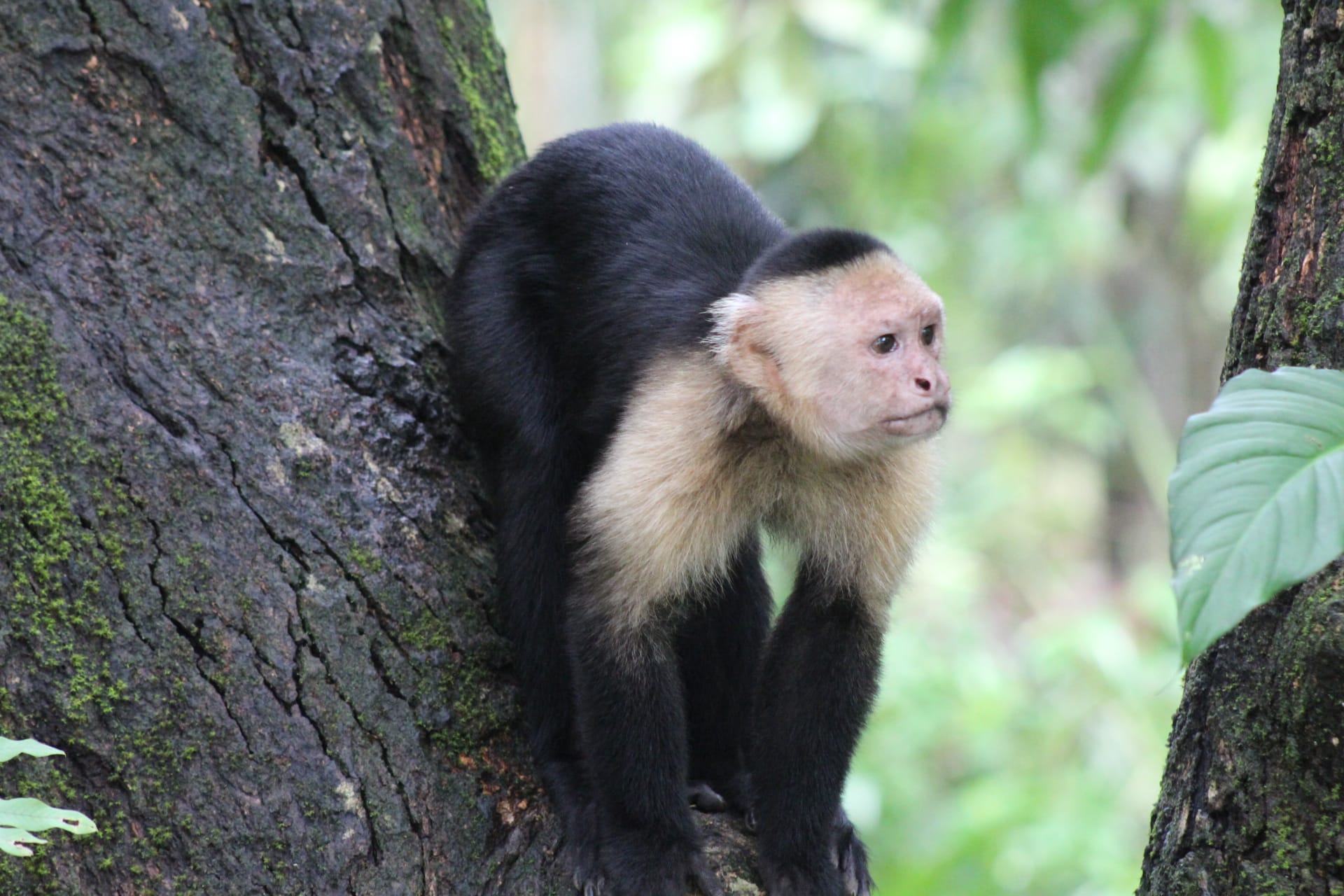
White-Faced Capuchin Monkey
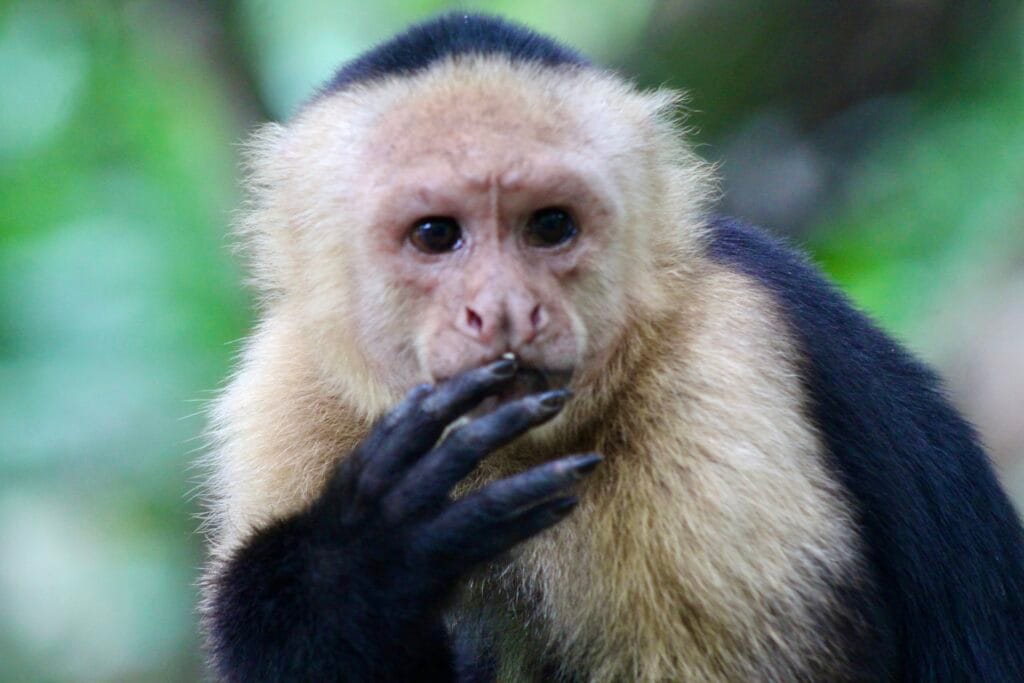
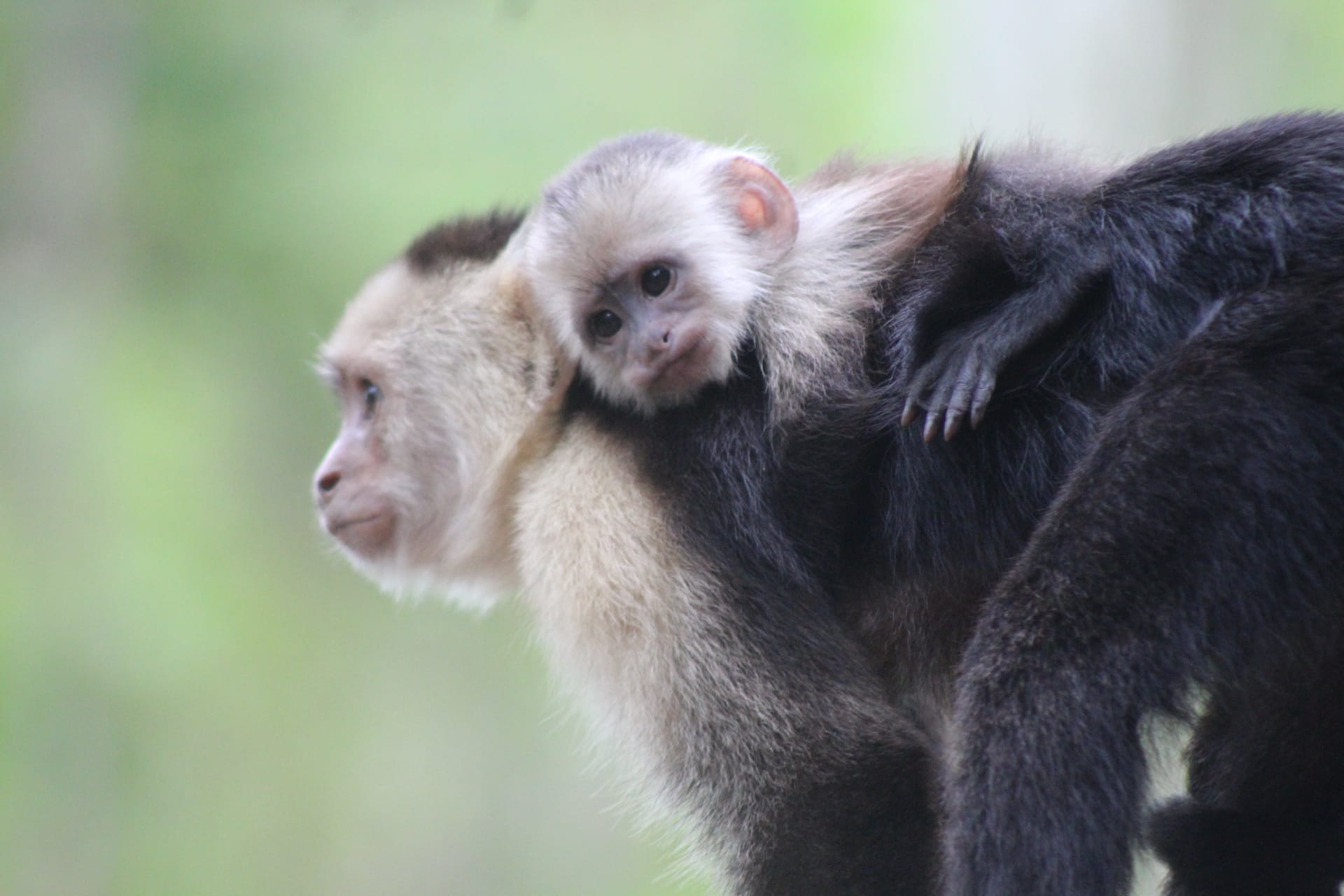
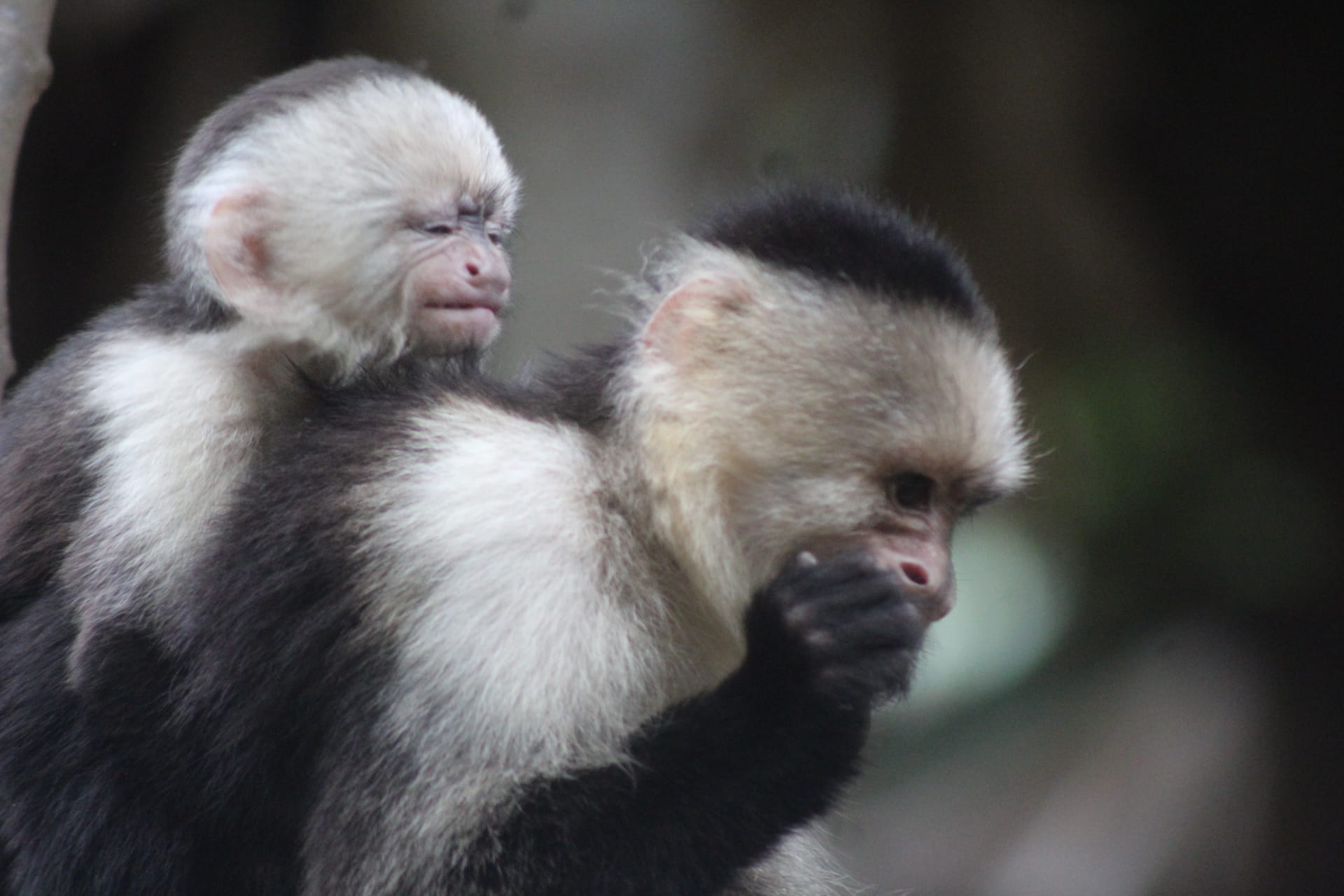
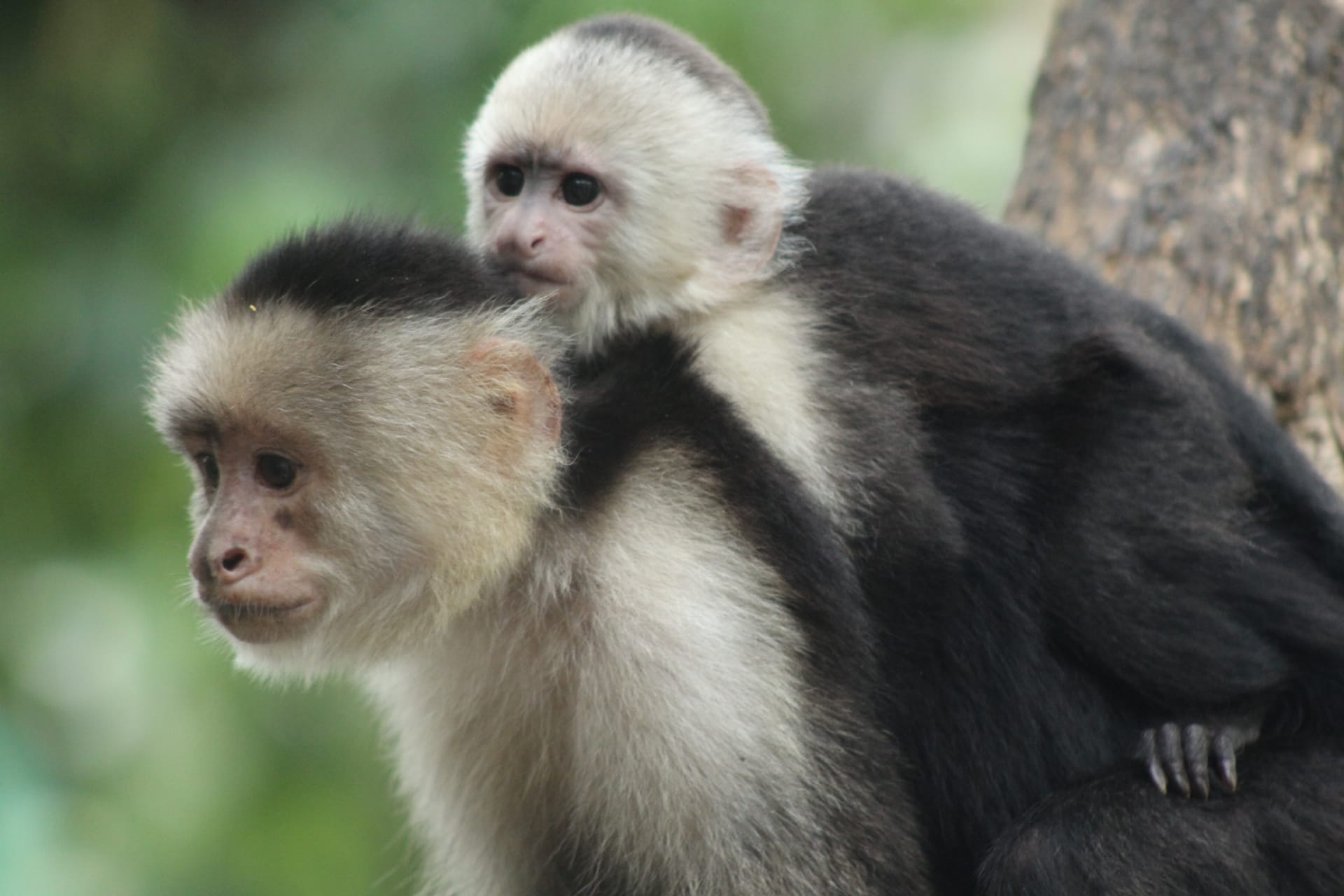
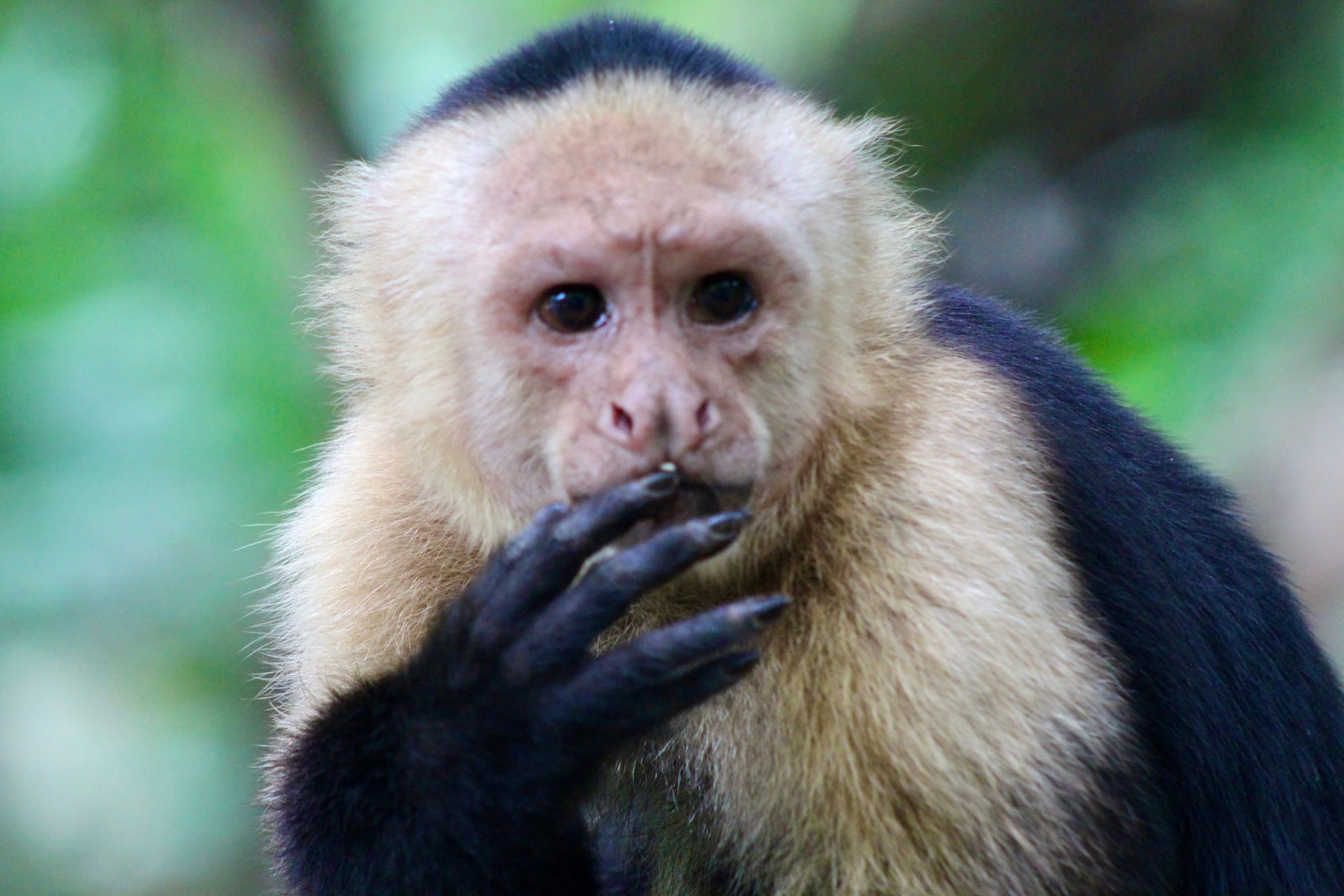
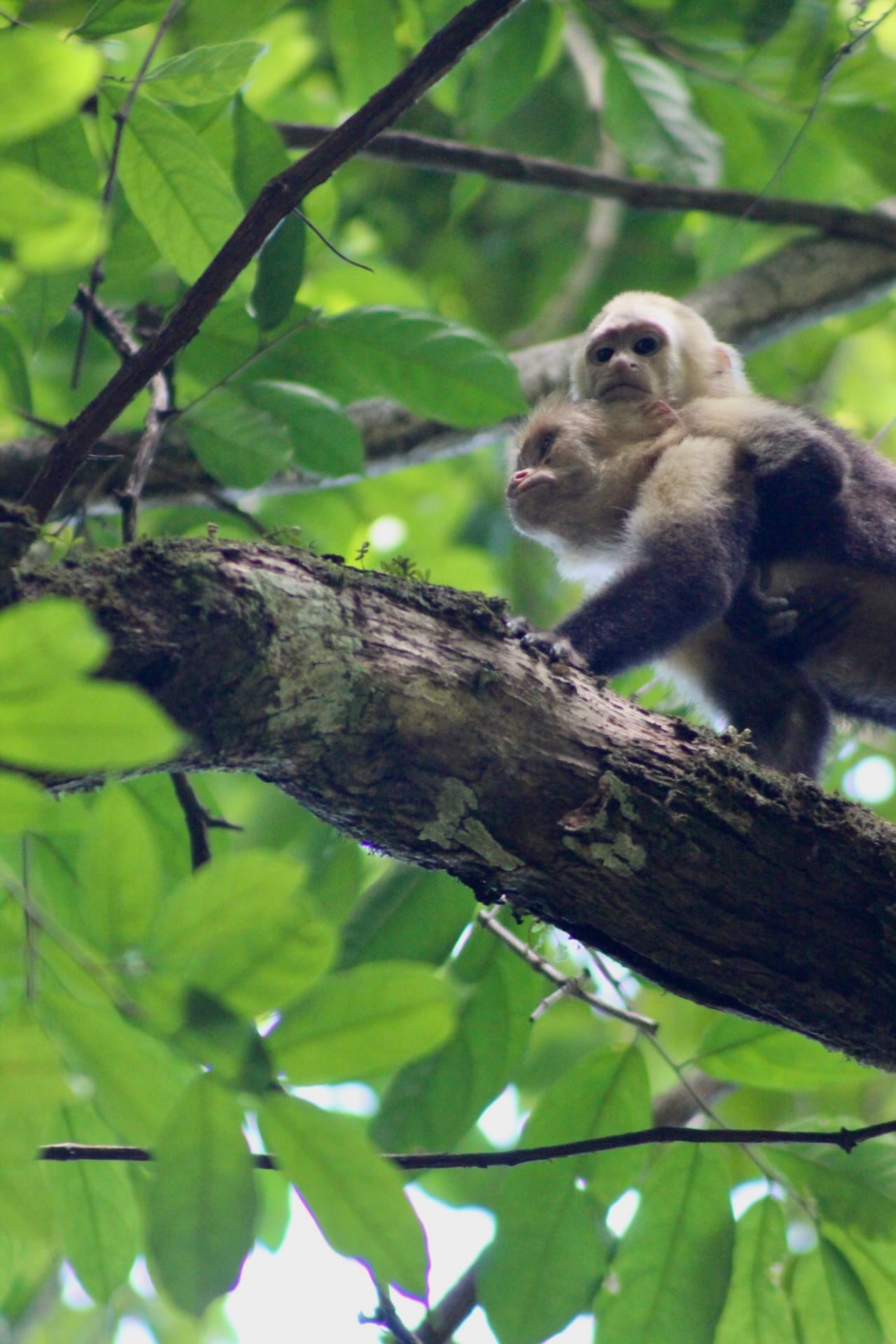
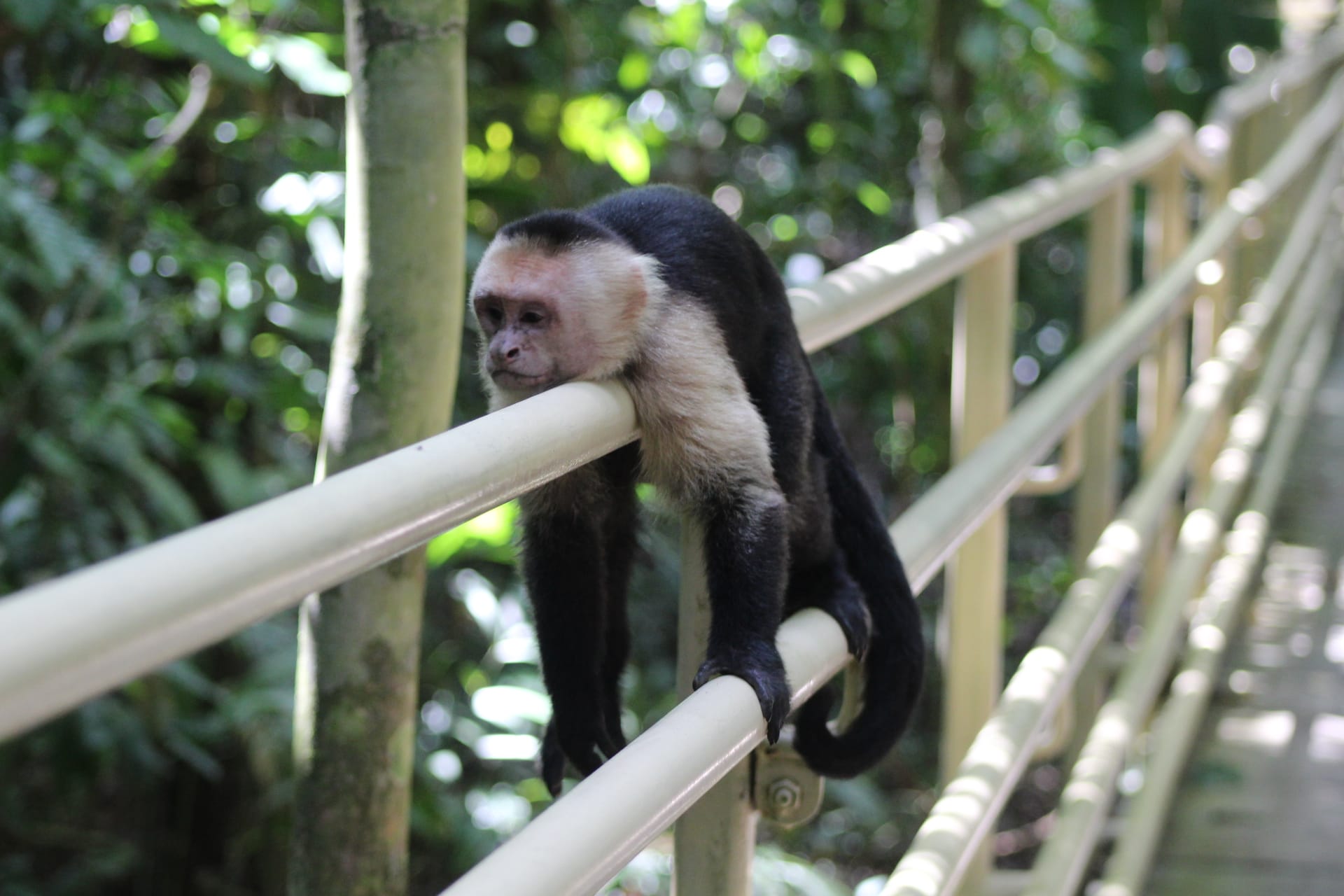
White-faced capuchins are the monkeys most visitors hope to see. They’re curious, intelligent, and frequently spotted in both Manuel Antonio National Park and the mangroves near Jaco.
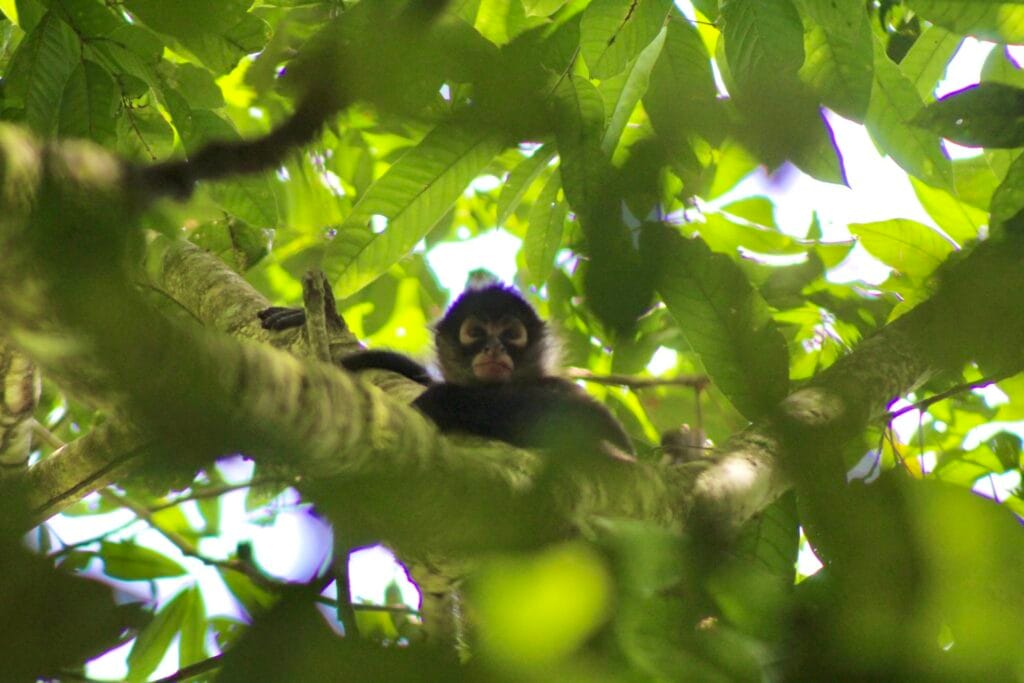
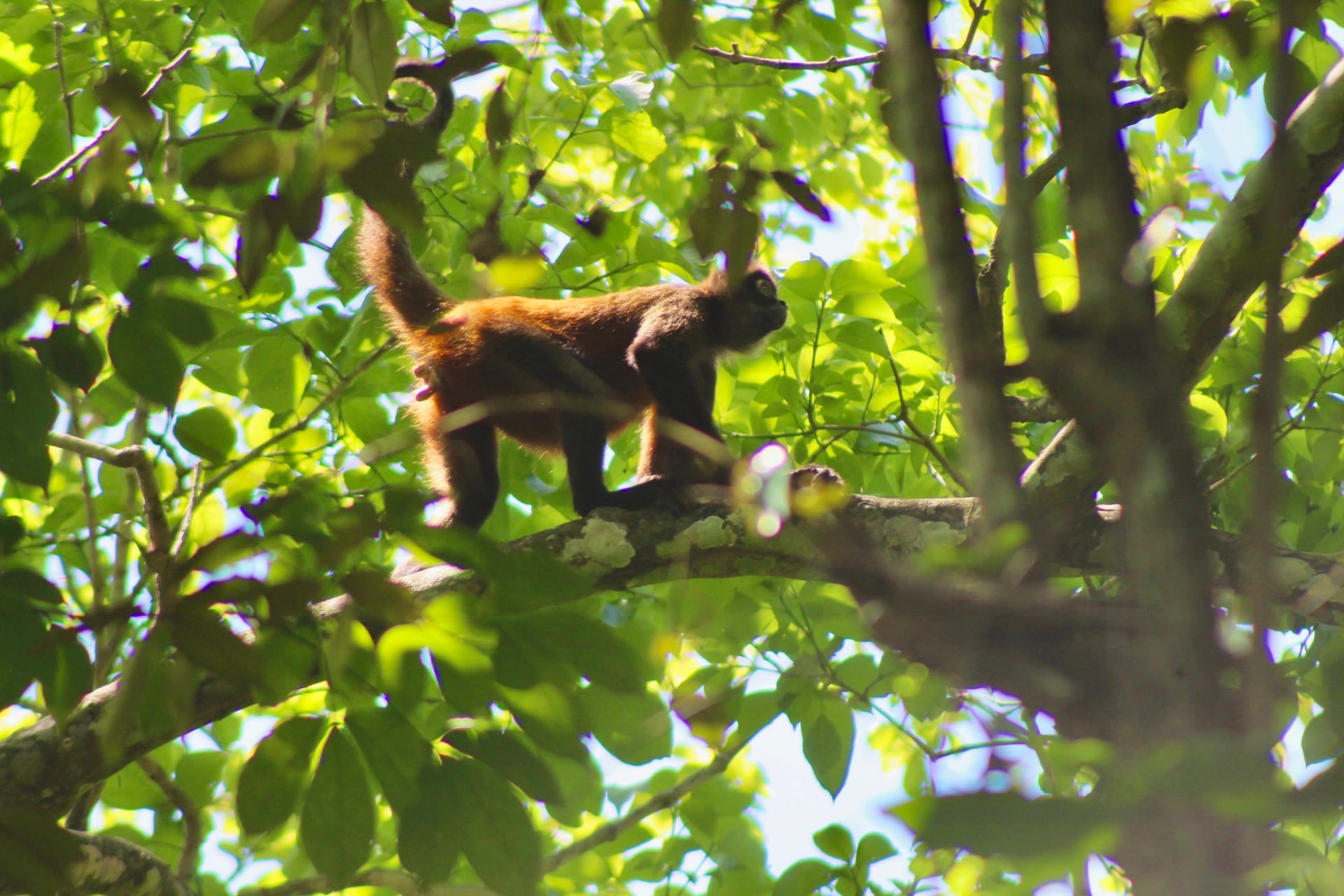
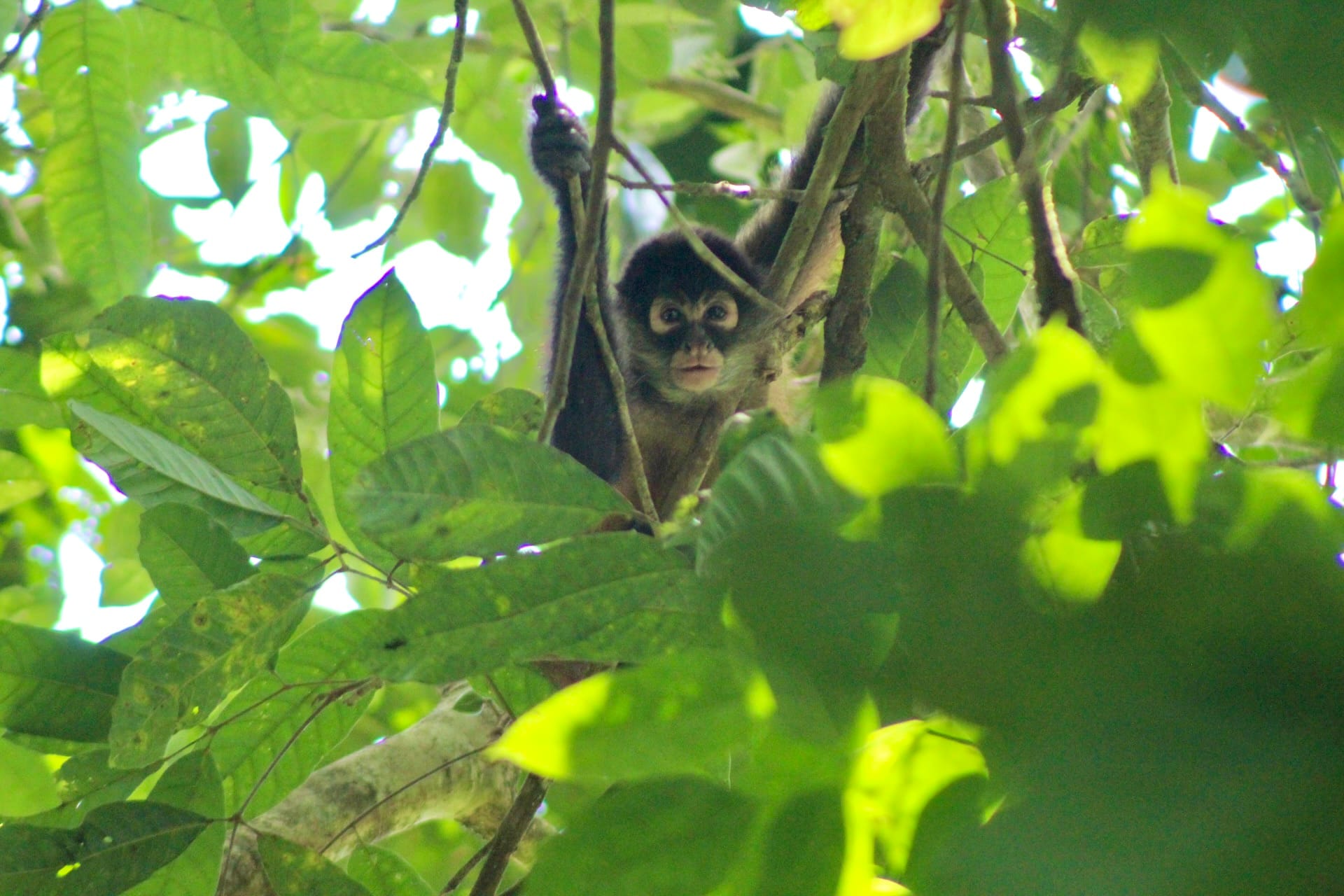
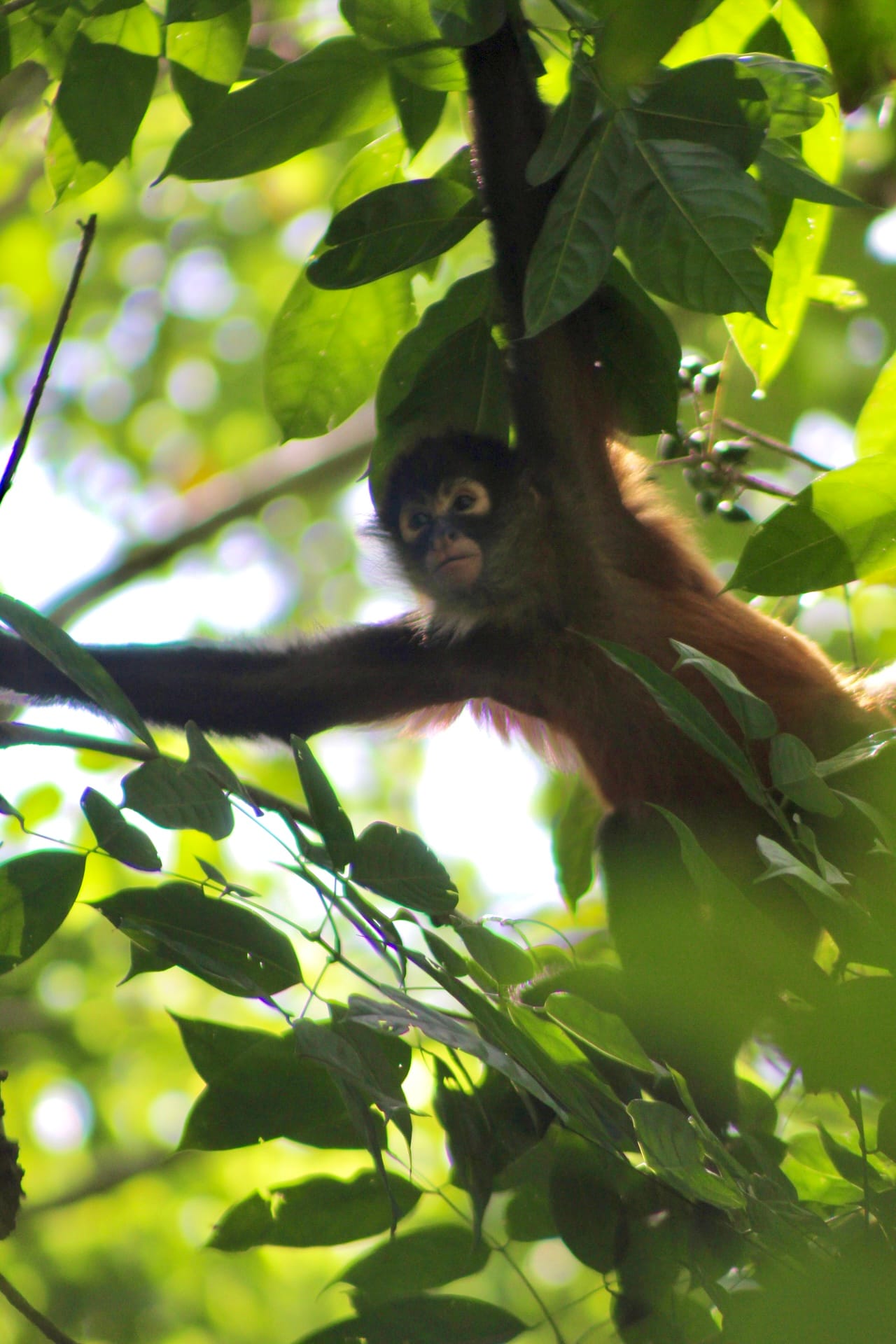
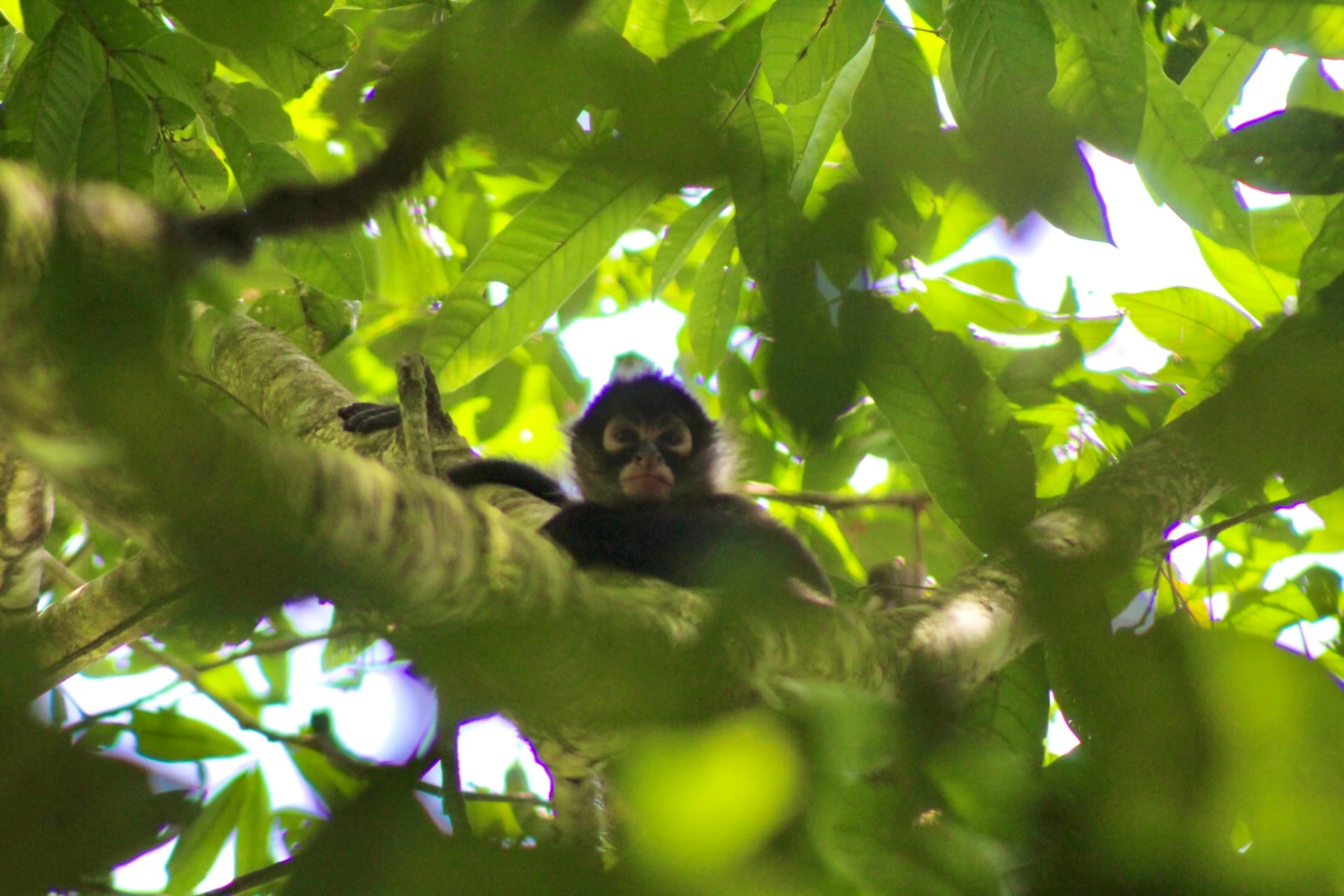
Spider Monkey
Spider monkeys spend much of their time high in the treetops. They’re agile climbers and are known for using their long tails to move through the forest canopy.
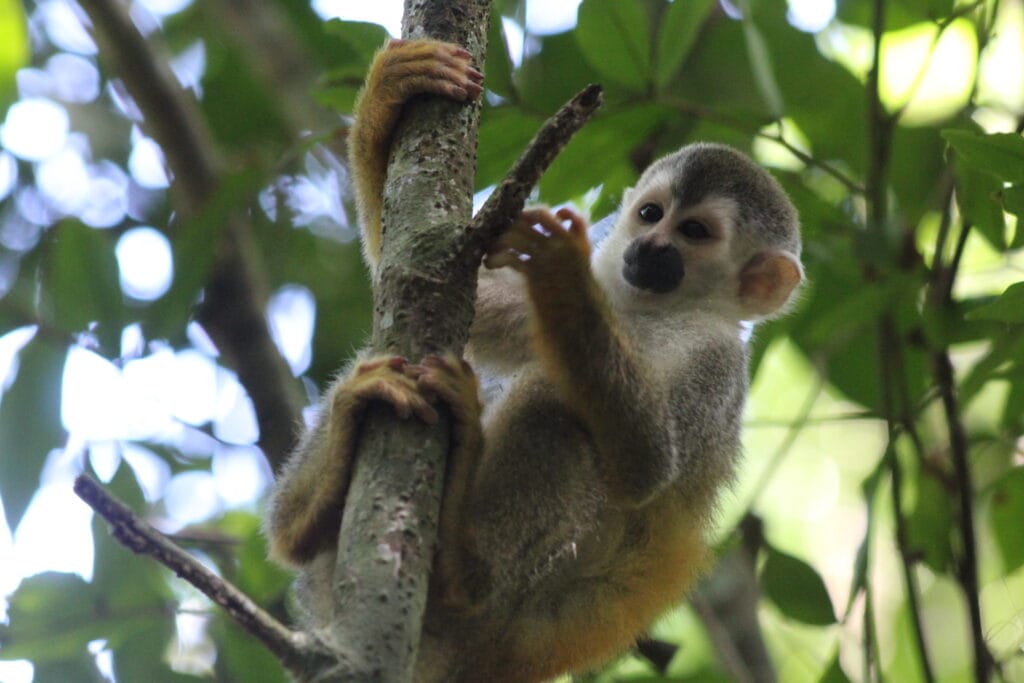
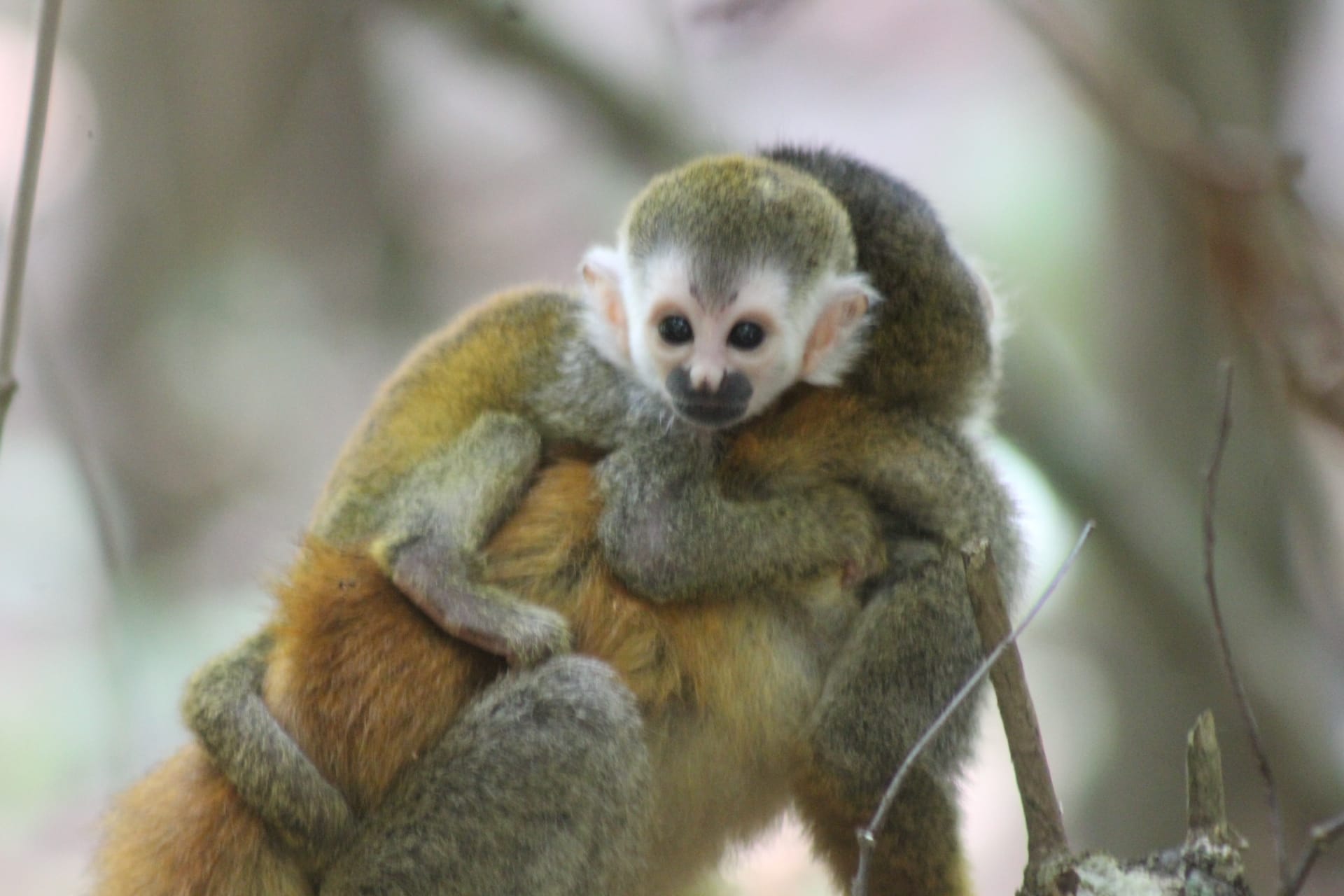
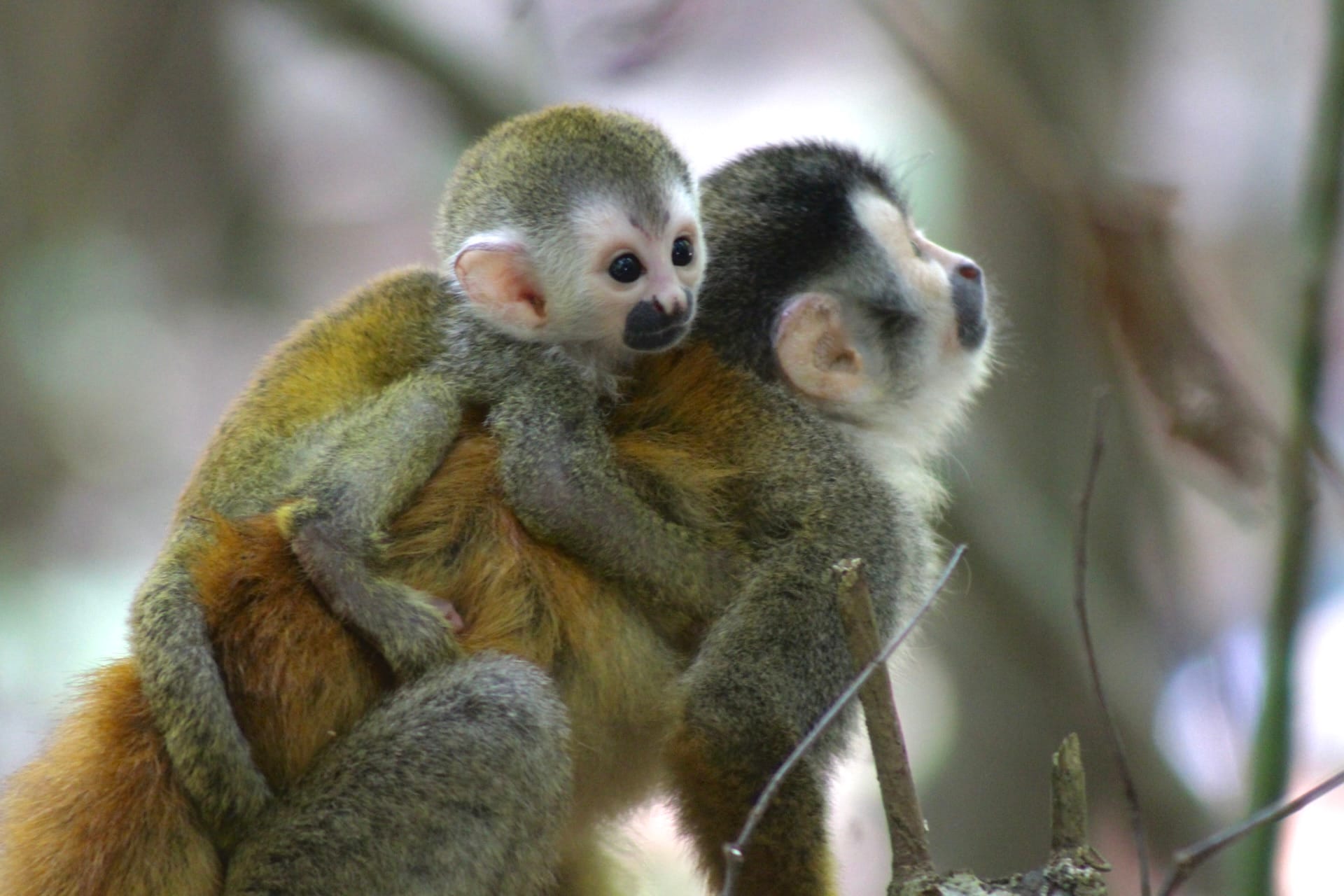
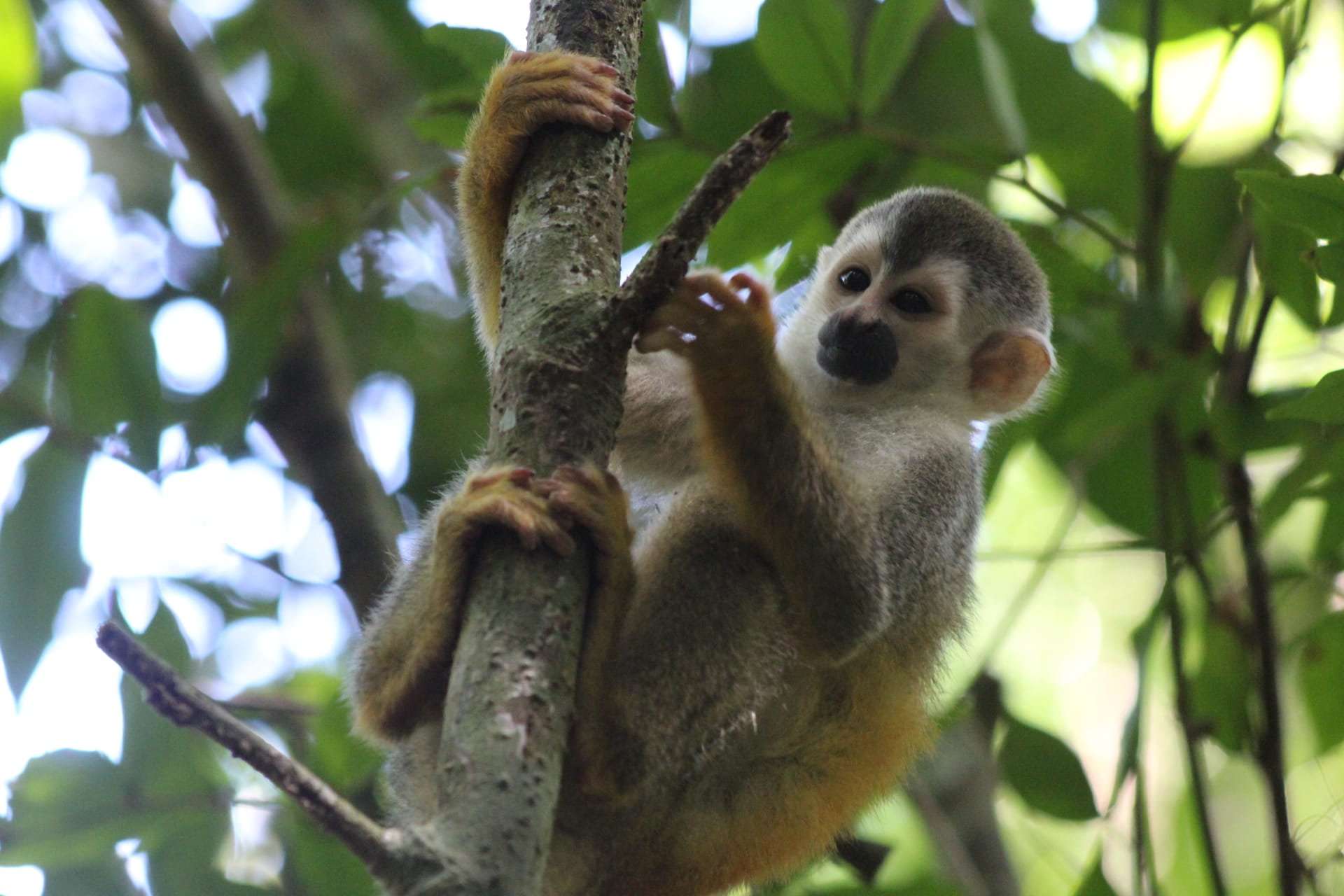
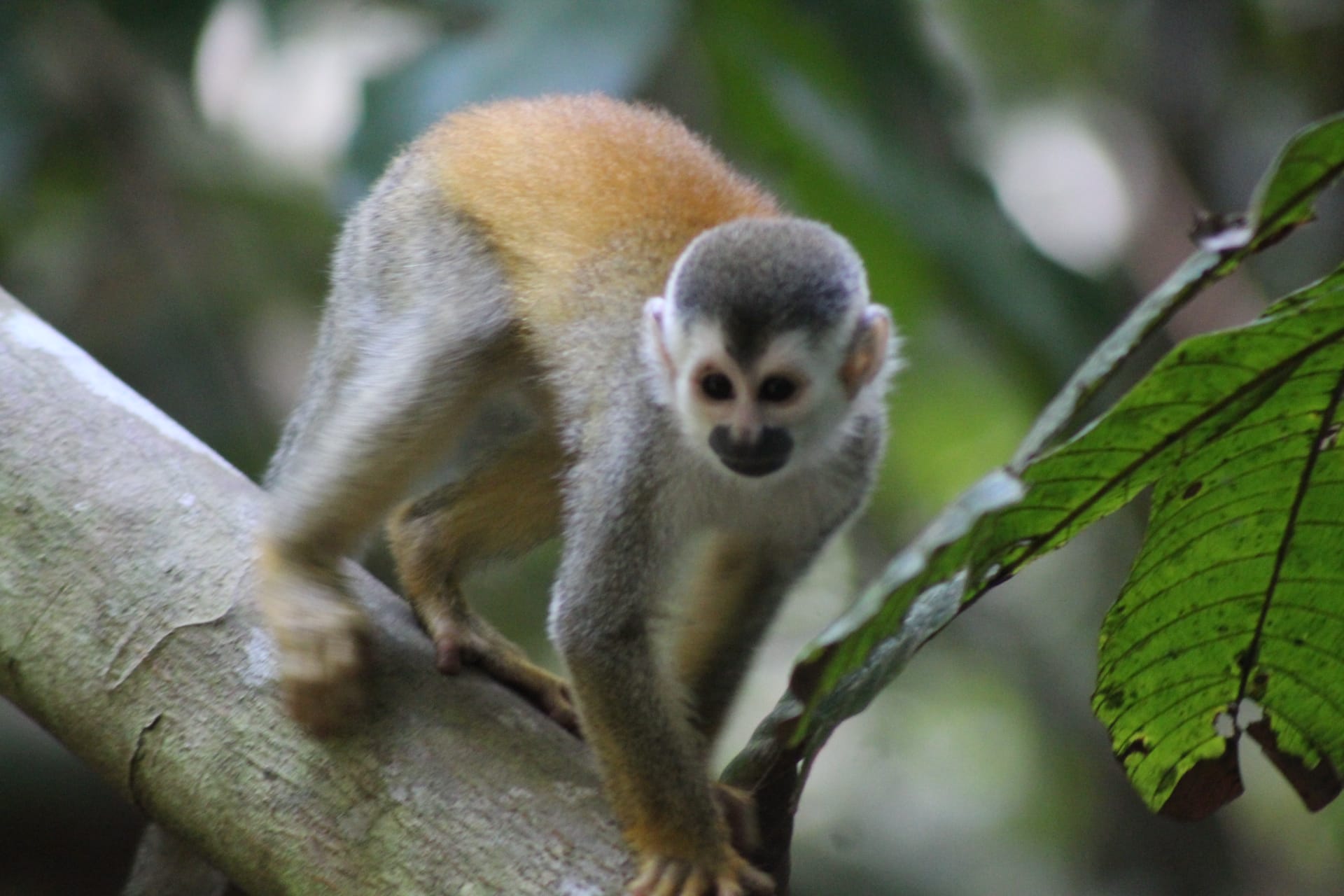
Squirrel Monkey
Squirrel monkeys are the smallest monkey species in Costa Rica and are most commonly found around Manuel Antonio National Park. Their playful behavior makes them a favorite among visitors.
Mantled Howler Monkey
Known for their deep, powerful calls, howler monkeys are often heard before they’re seen. Their vocalizations can travel for miles through the rainforest.
Manuel Antonio: One of the Best Places to See Monkeys in Costa Rica
When travelers ask where they’re most likely to see monkeys, Manuel Antonio National Park is usually one of the first recommendations.
The park is famous for its incredible biodiversity, combining rainforest trails, beautiful beaches, and abundant wildlife in one protected area.
During a visit, it’s common to see white-faced capuchins moving through the trees, while squirrel monkeys can also be spotted in certain parts of the park. Along the way, many visitors also encounter sloths, iguanas, toucans, and colorful tropical birds.
Because wildlife sightings are so frequent, Manuel Antonio is considered one of the most reliable places in Costa Rica for monkey watching.
👉 Learn more about our Manuel Antonio National Park Tour and experience one of Costa Rica’s most famous wildlife destinations.
Mangrove Tours Near Jaco
Another excellent way to see monkeys is by exploring the mangrove forests near Jaco.
Unlike a traditional rainforest hike, a mangrove tour allows visitors to quietly navigate the waterways by boat while observing wildlife from a unique perspective.
White-faced capuchin monkeys are commonly seen moving through the trees that line the riverbanks, often coming surprisingly close to the boat. The calm environment also makes it easier to appreciate the surrounding nature without the distractions of busier tourist areas.
Besides monkeys, it’s common to encounter:
- Crocodiles
- Iguanas
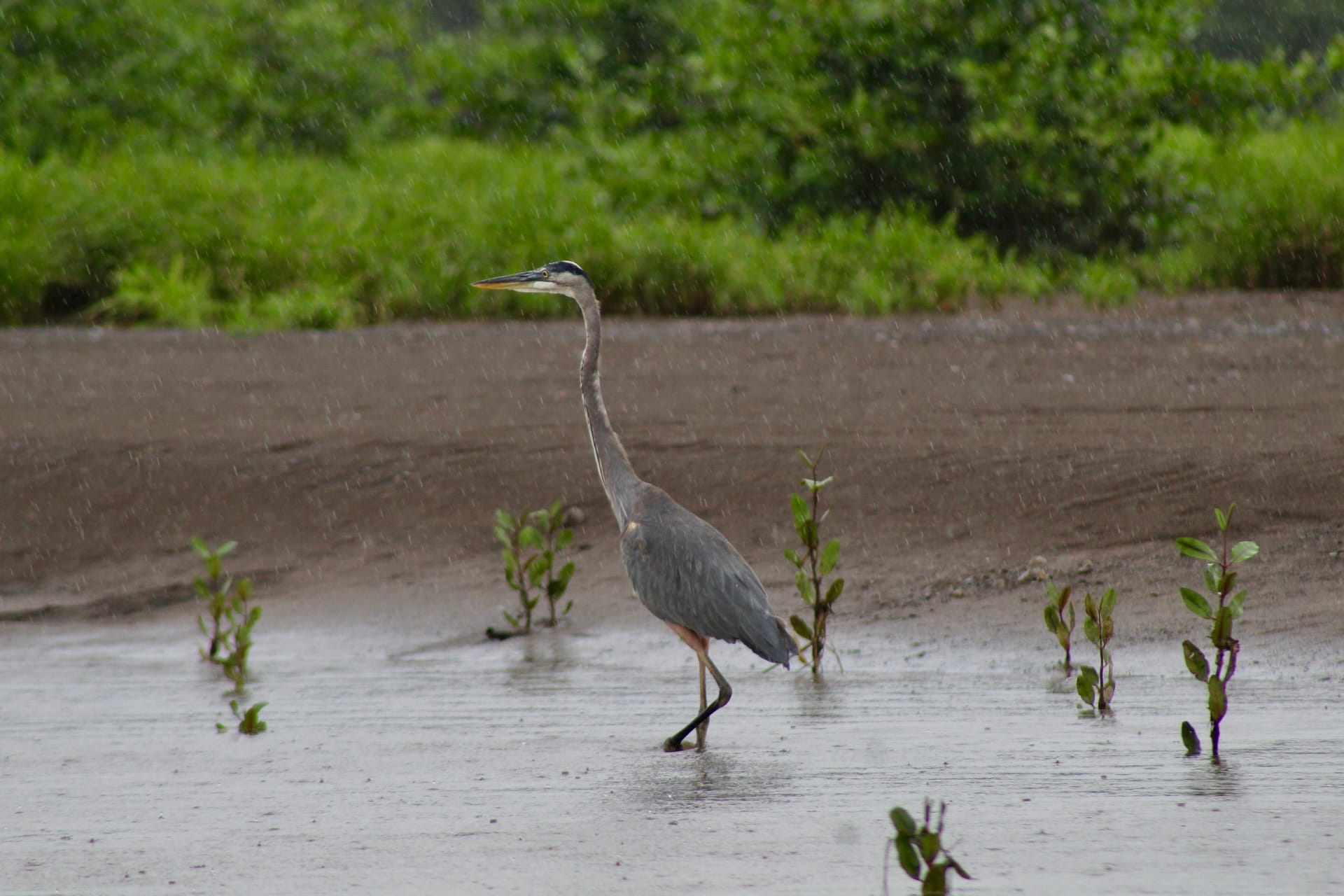
- Herons
- Kingfishers
- Many other native bird species
For travelers looking for a relaxing wildlife experience, the mangroves offer a completely different side of Costa Rica.
👉 Discover our Monkey Mangrove Tour and explore one of the region’s richest wildlife habitats.
Manuel Antonio vs. Monkey Mangrove Tour
Both experiences offer excellent opportunities to see monkeys, but each has its own unique appeal.
| Manuel Antonio National Park | Monkey Mangrove Tour |
|---|---|
| Rainforest hiking experience | Relaxing boat tour |
| White-faced capuchins | White-faced capuchins |
| Squirrel monkeys | Crocodiles and water birds |
| Sloths and tropical birds | Mangrove ecosystem |
| Beach and rainforest combined | Peaceful waterways and wildlife |
Many travelers choose to experience both during their stay in Costa Rica since they complement each other perfectly.
Tips for Seeing Monkeys in Costa Rica
Although monkeys are commonly seen in these areas, wildlife sightings are never guaranteed. Following a few simple tips can improve your chances.
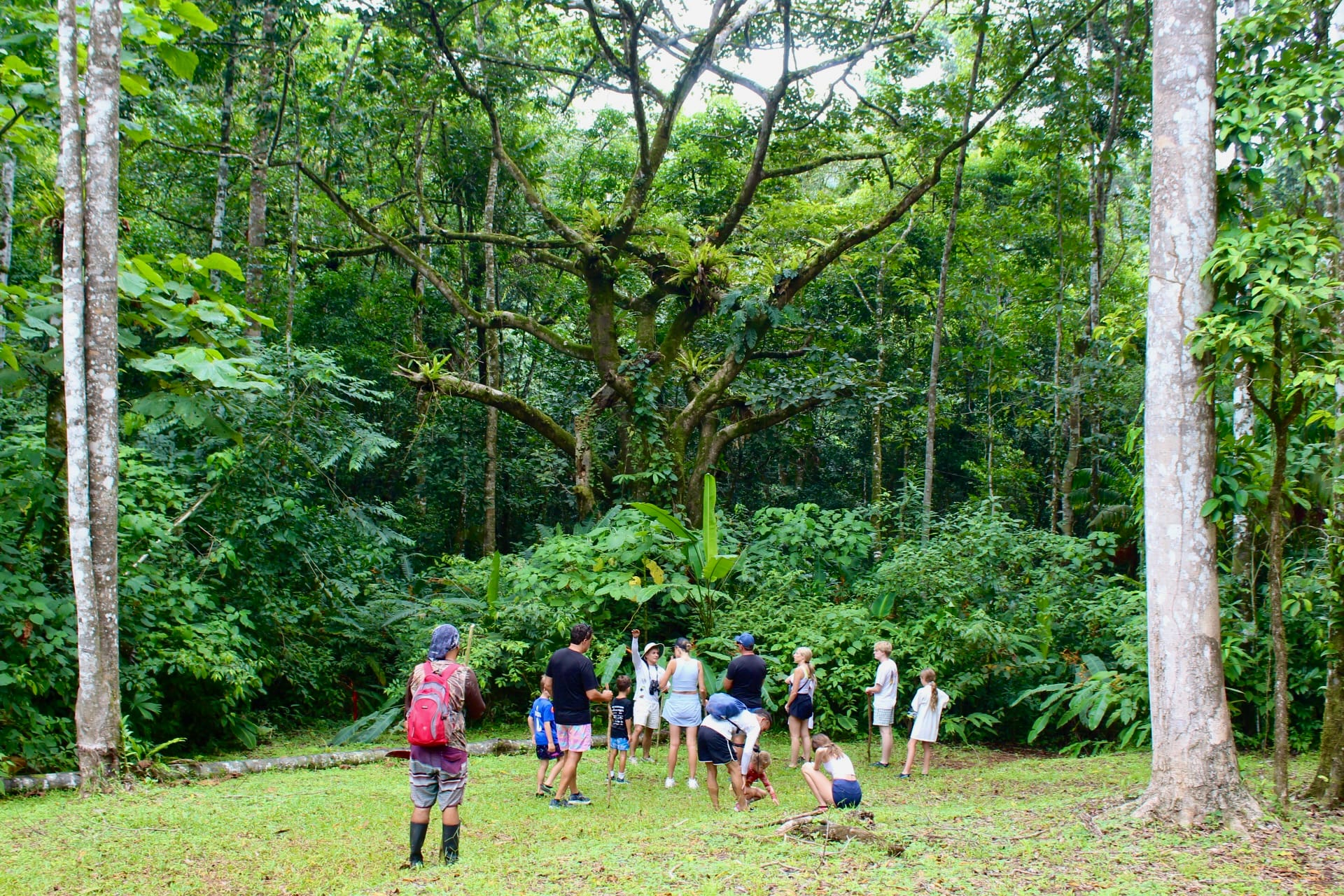
- Visit natural areas with experienced local guides.
- Look toward the treetops as you walk.
- Bring a camera with a zoom lens.
- Stay quiet and observe patiently.
- Never feed or approach wild monkeys.
Respecting wildlife helps protect these animals and ensures future visitors can enjoy the same experience.
Ready to See Monkeys in Costa Rica?
Seeing monkeys in their natural habitat is one of those experiences travelers never forget.
Whether you choose to explore the rainforest trails of Manuel Antonio National Park or cruise through the peaceful mangroves near Jaco, you’ll have the opportunity to observe Costa Rica’s incredible wildlife while learning from knowledgeable local guides.
If you’re planning your trip and aren’t sure which experience is right for you, we’d be happy to help you choose the best tour based on your interests and travel style.
Frequently Asked Questions About Seeing Monkeys in Costa Rica
Where are you most likely to see monkeys in Costa Rica?
Manuel Antonio National Park and the mangroves near Jaco are two of the best places to see monkeys in their natural habitat.
Which monkeys live in Costa Rica?
Costa Rica is home to four monkey species: white-faced capuchins, mantled howler monkeys, spider monkeys, and squirrel monkeys.
Can you see monkeys in Manuel Antonio National Park?
Yes. Manuel Antonio is one of Costa Rica’s best destinations for wildlife viewing, and monkeys are frequently spotted throughout the park.
Are monkeys common in the mangroves near Jaco?
Yes. White-faced capuchin monkeys are commonly seen during mangrove boat tours, along with crocodiles, iguanas, and many bird species.
What is the best time of day to see monkeys?
Early morning is generally one of the best times to observe wildlife, when temperatures are cooler and many animals are more active.
Is it safe to get close to wild monkeys?
It’s best to admire monkeys from a safe distance. Never feed or attempt to touch wild animals, and always follow your guide’s instructions to help protect both visitors and wildlife.